
Understanding Canada’s Natural Resource Economy
Educational guides exploring how commodity cycles, oil and gas GDP, and resource price volatility shape Canada’s economic landscape

Why Learn About Resource Economics?
Canada’s natural resources drive significant economic activity. Understanding commodity cycles helps explain employment trends, regional development, and investment patterns across the country.
Economic Impact
Oil, gas, and mining contribute billions to Canada’s GDP. We explore how these sectors fluctuate and what that means for the broader economy.
Regional Dynamics
Different provinces depend on different resources. Learn how Alberta, Saskatchewan, and British Columbia are affected by commodity price movements.
Employment Patterns
Resource sector jobs spike during booms and contract during downturns. We examine how this volatility affects workers and communities.
Global Context
International demand, currency rates, and geopolitical events shape Canada’s resource markets. Understanding these connections matters for investors and policymakers.
The Importance of Resource Economics Knowledge
Canada’s economy isn’t as diversified as many realize. Natural resources account for a meaningful portion of GDP, exports, and government revenue. When commodity prices drop — which they do regularly — entire regions feel the impact. That’s why understanding these cycles matters.
You’ll find guides here that break down complex topics into readable explanations. We’re not using jargon unnecessarily. Instead, we focus on helping you understand the real mechanisms: how prices move, why employment changes, what happens to investment flows, and how different regions respond differently to the same commodity shock.
Whether you’re studying economics, working in the resource sector, or just curious about what drives Canada’s economy, these guides provide solid foundational knowledge without requiring a finance background.
What You’ll Learn
Our educational guides cover three interconnected areas of Canada’s resource economy
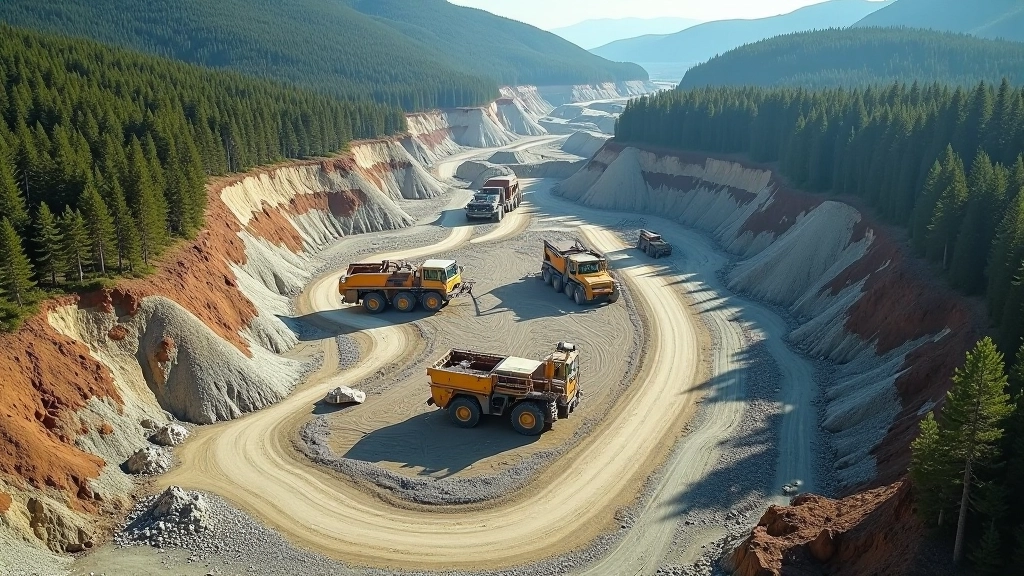
Mining Sector Trends
Explores what’s driving Canada’s extraction industry. You’ll understand global demand factors, environmental regulation impacts, technological changes, and how mining employment responds to commodity cycles across different provinces.
Oil and Gas GDP Contribution
Analyzes petroleum and natural gas sectors. You’ll see exactly how these industries contribute to Canada’s gross domestic product, employment numbers, government revenue, and how their contribution shifts through different economic cycles.
Commodity Price Volatility
Examines how price fluctuations ripple through the economy. You’ll learn why prices move, how different regions are affected, impacts on investment patterns, currency valuations, and how businesses and governments plan around this uncertainty.
What Readers Say
These guides help people understand Canada’s economy better
“I wasn’t sure how to explain Canada’s economic sensitivity to oil prices to my students. These guides made it clear — now I’ve got actual material that breaks it down step by step. Students are asking better questions because the content is straightforward.”
“Work in mining and wanted to understand the bigger picture beyond just my job. The sector trends guide showed me how global demand factors actually play out. It’s helpful context that you don’t always get in your day-to-day work.”
“I’m not an economist but wanted to understand why Alberta’s economy swings so much. The guides on oil/gas GDP contribution and price volatility finally made sense of what I’ve seen happen around me. They’re genuinely helpful without being condescending.”
Understanding Canada’s Natural Resource Economy
Start with these core guides covering mining, oil and gas, and commodity cycles
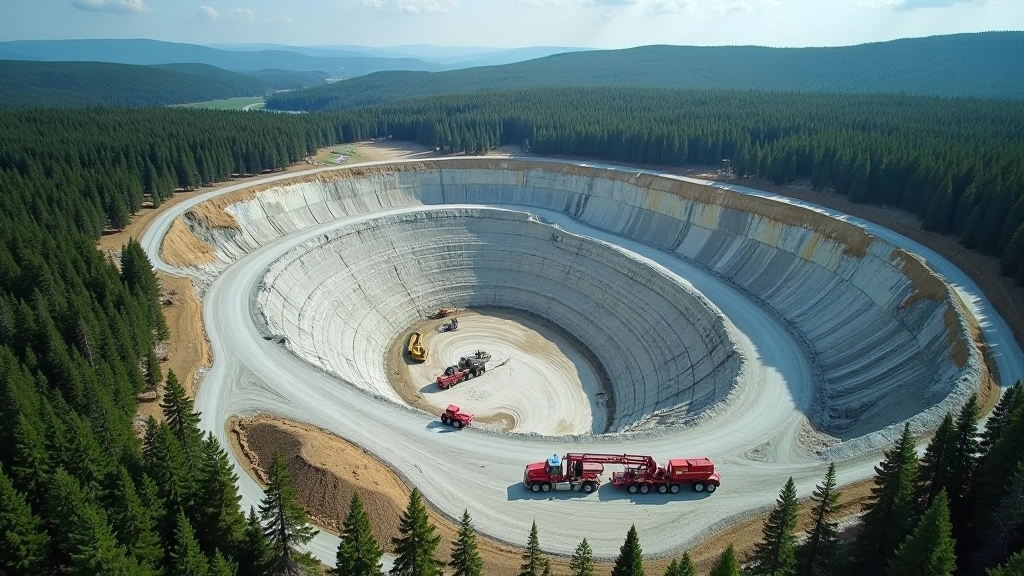
Mining Sector Trends: What’s Driving Canada’s Extraction Industry
Explores how global demand, environmental regulations, and technology are reshaping Canada’s mining landscape and employment patterns across provinces.
Read Guide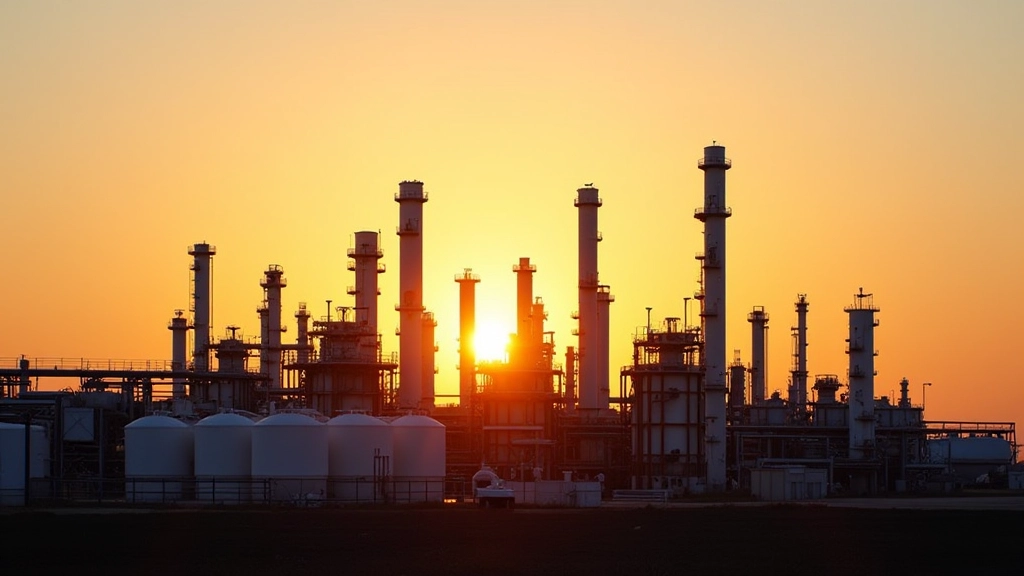
Oil and Gas GDP: Understanding Its Role in Canada’s Economy
Analyzes how petroleum and natural gas contribute to Canada’s gross domestic product, employment, and government revenue across different economic cycles.
Read Guide
Commodity Price Volatility: Impact on Canada’s Resource Economy
Examines how fluctuations in oil, natural gas, and mineral prices ripple through Canada’s regional economies, investment patterns, and currency valuations.
Read GuideCommon Questions
Answers to what people typically ask about Canada’s resource economy
How much do natural resources contribute to Canada’s economy?
Natural resources account for a significant portion of Canada’s GDP — roughly 10-12% directly from mining, oil, and gas, with additional indirect impacts through related industries. This varies by year based on commodity prices and production levels. The contribution is substantial but also volatile, which is why understanding these cycles matters.
Why do commodity prices change so much?
Global supply and demand drive commodity prices. When the global economy grows, demand for minerals, oil, and gas increases — prices rise. During recessions, demand drops and prices fall. Major events like geopolitical tensions, technological breakthroughs (like renewable energy adoption), or production disruptions can also cause significant price swings.
Which Canadian provinces depend most on resources?
Alberta relies heavily on oil and gas production. Saskatchewan depends on potash and uranium alongside oil and gas. British Columbia has significant mining and natural gas sectors. Other provinces have mineral operations, but these three regions are most economically sensitive to resource commodity cycles.
What happens to employment during resource downturns?
Resource sector employment drops during price downturns. Companies reduce operations, delay projects, and lay off workers. This affects not just direct mining and oil/gas jobs but also supporting industries — transportation, equipment suppliers, professional services. Regional economies feel these ripple effects significantly.
Is Canada trying to diversify away from resources?
Canada’s economy has diversified considerably over decades — services, technology, and manufacturing now represent larger shares than historically. However, natural resources remain important, especially for exports and regional employment. Different provinces take different approaches to balancing resource reliance with economic diversification.
How does this affect investors?
Understanding commodity cycles helps investors anticipate company performance, stock price movements, and currency fluctuations. Resource company earnings tend to be volatile. The Canadian dollar also tends to move with commodity prices, which affects export competitiveness across the entire economy.
How These Guides Are Structured
Each guide follows a clear format to help you understand complex topics
Context & Background
We start with what you need to know — how a sector fits into Canada’s economy, its size, its importance. No assumptions about prior knowledge.
Key Mechanisms
We explain how things actually work. What drives prices? How do companies respond to changes? How do workers and regions get affected? Real explanations, not buzzwords.
Historical Examples
We show you what happened in real cycles. The 2014-2016 oil price collapse, the pandemic’s effects, commodity booms of the 2000s. Seeing actual events helps cement understanding.
Takeaways & Further Reading
We summarize the key points and point you toward additional resources if you want to dive deeper. You get the essential knowledge plus paths to expand it.
Ready to Understand Canada’s Resource Economy?
Start exploring our guides today. No registration required — all content is freely available. Whether you’re studying, researching, or just curious, we’ve got the educational material you need.